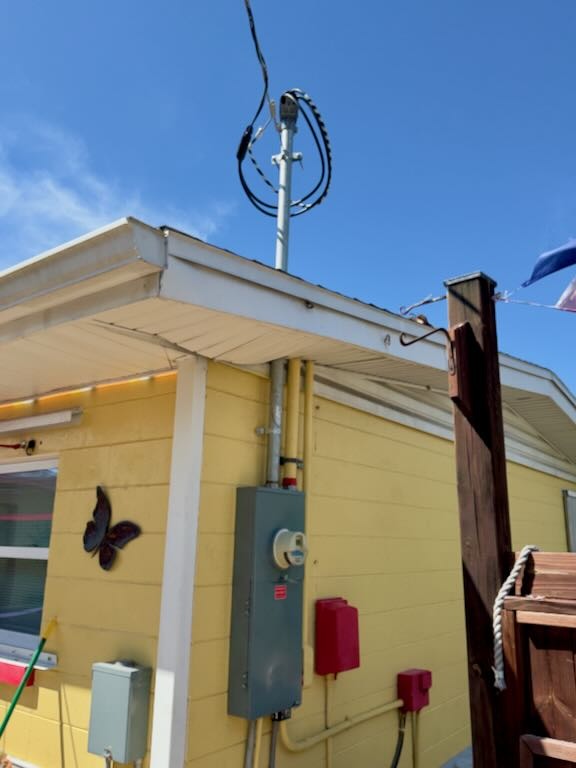

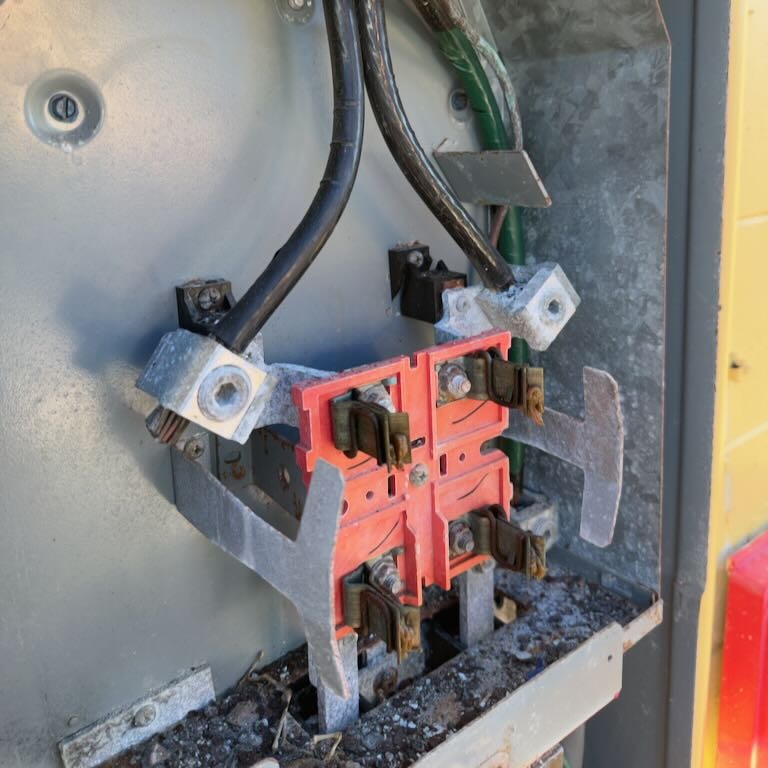
Main Power Panel
Both of my brothers are formally recognized as Ocean Engineers through their degrees from Florida Atlantic University. One described the field as essentially mechanical engineering combined with rust.
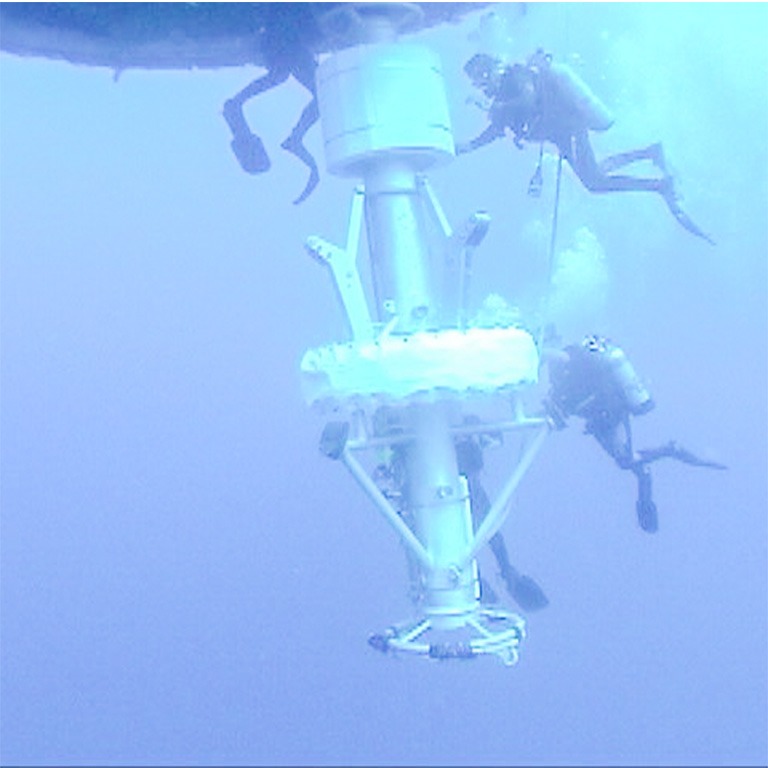
My brother Rick worked at ‘The Cape’, as locals call it, assisting with the recovery of the Space Shuttle’s solid rocket motors (Wow!). He is a devoted Neil Young fan—almost a fanatic—who released Rust Never Sleeps in the late 1970s with his band Crazy Horse. I recall him showing me a report he composed as a young engineer, titled Rust Never Sleeps.
Growing up on Florida’s east coast, I noticed this early on. Warm air and high humidity let salt and moisture act quickly as electrolytes on metal. Sites such as the NASA Kennedy Space Center Beachside Atmospheric Exposure Site, just up the road, record some of the nation’s highest chloride deposition rates.

Cars suffered the worst. It was common for an older vehicle to develop rusted floor pans, letting a passenger glimpse the road rushing past between their legs. My friend Joe owned a new Chevy Vega—a model known for corrosion. He would load his surfboard into the hatchback. Within a year, the metal beneath had rusted through.
Power
When I moved into Valhalla a little over ten years ago, I faced a sixty-year-old home exposed to a harsh environment and aging electrical systems that seemed patched with spit and baling wire over time.
To make matters worse, I have assembled a sort of Frankenstein by attaching three subpanels to the current 200-amp service. The primary panel rests outside at the rear, largely exposed to the weather and shielded only by a steel cover.
For many years, power came from a rusted transformer perched on a pole behind my house. Before a hurricane brought it down two years ago, it caused ongoing frustration. Lights flickered, and unexplained electrical issues emerged only to vanish again.

I had FPL come out on one such occasion several years ago. The tech did a test to check for an open ground. I had experienced that when I first moved back to Florida in 2014. The result was negative, but the tech told me the main power panel was shot and needed to be replaced. I added that to a list including a new roof and planned to do that this year.
After returning from Excellent Adventure 2026, I observed further electrical irregularities and found a major imbalance between the two 120V lines from the transformer. A technician arrived but could not identify the cause; however, he confirmed that the main power panel fuses were severely corroded and yielded no reliable reading. This matched my own measurements inside the house. Curiously, the 240V circuits appeared unaffected by the voltage shifts, because they operate out of phase and do not require a neutral. This situation represents a classic open neutral.
Goodness—it seems I delayed a little too long.
Now I appear to be paying the cost. More than a month later, today marks the earliest appointment that met everyone’s needs. After a month without devices that might cause imbalance—such as a microwave, dishwasher, or toaster oven—and $3K, I finally received a new service. Scheduling conflicts delayed the process, but I begrudgingly accepted the wait because I had postponed addressing this for so long.